
BioEngineering and Therapeutic Solutions (BEaTS)

Redefining Translational Medicine

Explore

Dr. Erik J. Suuronen | BEaTS Research

Principal Investigator · Director, BEaTS Research

Dr. Erik J. Suuronen

Regenerative-medicine scientist uncovering how methylglyoxal damages the heart and blood vessels, and building biomaterials that help the heart repair itself.
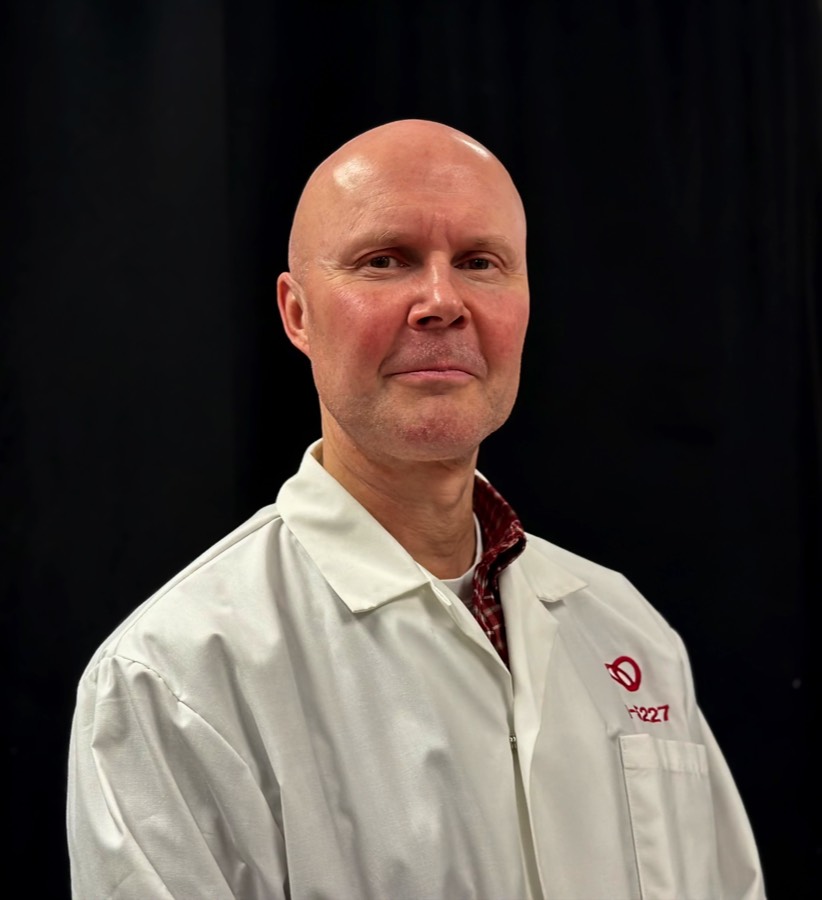
  • Full Professor, Department of Surgery, University of Ottawa
  • Director, BEaTS Research
  • Director, Cardiovascular Tissue Engineering Laboratory
  • PI at the Heart Institute since 2005
Dr. Erik J. Suuronen
126Publications
78Trainees supervised
42Invited talks
17Grants as PI or co-PI
5Patents filed or granted
3×Dr. Robert Roberts Award

Recognition

Awards and honours

Repeated recognition for research excellence at the Heart Institute, and for service to Canada's research funding system.

2021 · 2022 · 2024

Dr. Robert Roberts Award for Research Excellence

University of Ottawa Heart Institute

2026

Outstanding Reviewer

Canadian Institutes of Health Research

2009

Basic Science Investigator of the Year

University of Ottawa Heart Institute

  • 2026Top Viewed Article recognitionAdvanced Functional Materials
  • 2020Nominee, Researcher of the Year (Biomedical)Faculty of Medicine, University of Ottawa
  • 2018Best Research Team AwardUniversity of Ottawa Heart Institute
  • 2013“Best of Basic Science” top-rated abstractAmerican Heart Association Scientific Sessions. Also top-rated in 2011
  • 2007Young Investigator Award, first runner-upCanadian Cardiovascular Society

Research excellence

From a damaging molecule to new therapies

Materials are designed, then tested in clinically relevant models of heart attack, diabetes and limb ischemia, with imaging and functional studies done in-house.

01 · Discovery

Methylglyoxal drives heart and vessel damage

Showed that methylglyoxal impairs vascular repair and drives heart failure after a heart attack, even without diabetes, making it a new therapeutic target.

Cardiovascular Research 2014 · Editor's ChoiceBasic Research in Cardiology 2027

02 · Therapy

A hydrogel that soaks up methylglyoxal

A collagen hydrogel acts as a sponge for methylglyoxal in the injured heart, a new biomaterial mechanism based on chemical scavenging, not mechanical support alone.

Adv. Functional Materials 2022Gels 2026 · Editor's Choice

03 · Heart and brain

Linking heart attack to brain inflammation

The first study to implicate methylglyoxal in heart-brain effects after a heart attack, with sex- and region-specific differences, opening a new research direction.

Advanced Science 2026

04 · Heart repair

Biomaterials that recruit the body's own repair

Injectable collagen hydrogels that improve blood-vessel growth and preserve heart function, evolving into a recombinant human collagen therapy.

Biomaterials 2014 · 2015Nature Communications 2019

05 · Soft tissue

Collagen-like peptides that assemble in place

Self-assembling peptide hydrogels repair skin, cornea and heart without toxic crosslinkers. He leads their cellular and in vivo evaluation.

Adv. Functional Materials 20242026

From lab to clinic

Five patents, built for approval

Patents cover hydrogel compositions, light-activated peptide precursors and anti-methylglyoxal peptides. The collagen therapy is animal-free by design, ready for future regulatory review.

Track record

Funding, leadership and mentorship

Selected funding

17 grants as principal or co-principal investigator.

  • NSERC & CIHR CHRPInjectable collagen matrices · PI · 2018–2023
  • CIHR Operating GrantGlyoxalase-1 nanoparticles after heart attack · PI · 2022–2027
  • NSERC CREATE: INTBIOTECHCo-applicant · 2022–2028
  • CIHR Operating GrantMatrix-based cardiac regeneration · Co-PI · 2013–2018
  • Heart & Stroke Grant-in-AidElectroconductive materials for heart repair · Co-PI · 2021–2024

Leadership

At the Heart Institute and across Canada's funding agencies.

  • Director, BEaTS Research, Division of Cardiac Surgery2013–present
  • Elected Member, Scientific Advisory Committee, Heart Institute2019–present
  • Deputy Chair, Scientific Review Committee II, and SRC Executive, Heart & Stroke2025–2026
  • Editor, Biomaterials for Cardiac Regeneration (Springer)2014

Mentorship

78 trainees across 20 years of independent research.

  • 78Trainees supervised
  • 3PhD theses nominated for the uOttawa Thesis Prize
  • 15Invited book chapters
  • 42Invited talks

Alumni include faculty at Masaryk University and Soochow University, and a researcher at the National University of Córdoba.

Community engagement

Sharing heart research widely

Research featured on CBC's Ottawa Morning, CTV News Channel, the Globe and Mail, Maclean's, New Scientist and Heart & Stroke's On the Pulse.

Talking to the public

Presenter at the Pint of Science Festival and the Ottawa Heart Support Group seminar series, and speaker at CIHR's 2018 CHRP funding announcement.

Young scientists

Co-author of two articles for young readers in Frontiers for Young Minds.

Service to research funding

CIHR College of Reviewers since 2017, with panels in cardiovascular science, biomedical engineering and the New Frontiers in Research Fund.

Open-access tools

Co-developed the open-source BEaTS-α and BEaTS-β bioreactors and a low-cost nanoparticle synthesis system that other labs can rebuild.

Reference resources

Editor of a textbook on biomaterials for cardiac regeneration and author of the cell therapy chapters in Sabiston and Spencer Surgery of the Chest.

Ottawa Cardiovascular Research Day

Co-Chair in 2018 and Chair in 2019 of the city's annual meeting for cardiovascular researchers.

Selected publications

Recent highlights

  • 2026Methylglyoxal accumulation is associated with brain inflammation after myocardial infarction with sex and regional differencesAdvanced Science
  • 2026Being a target for glycation by methylglyoxal contributes to therapeutic efficacy of an injectable collagen hydrogel post-myocardial infarctionGels · Editor's Choice
  • 2022Recombinant human collagen hydrogel rapidly reduces methylglyoxal adducts within cardiomyocytes and improves borderzone contractility after myocardial infarction in miceAdvanced Functional Materials
  • 2019Injectable human recombinant collagen matrices limit adverse remodeling and improve cardiac function after myocardial infarctionNature Communications
  • 2017Methylglyoxal-derived advanced glycation end products contribute to negative cardiac remodeling and dysfunction post- myocardial infarctionBasic Research in Cardiology

Interested in joining the lab or collaborating?

We welcome graduate students, postdoctoral fellows and research partners.

Contact Dr. Suuronen

We respect your privacy. This website does not use cookies or analytics to track you. Some pages include content from other services, such as YouTube, Spotify and Buzzsprout, which may collect data under their own privacy policies.